 Los Angeles Galaxy Hub
The Los Angeles Galaxy has shown glimpses of brilliance in recent matches, yet inconsistency remains an overarching theme. Analyzing their tactical approach reveals both strengths to build upon and weaknesses to address. As the team looks to solidify its standing in MLS, refining their tactical blueprint could be the key to unlocking their full potential.
Current Tactical Landscape
The Galaxy has primarily deployed a 4-2-3-1 formation this season, which provides a solid base for both defensive stability and offensive creativity. However, this setup has occasionally left them vulnerable in transition, particularly when opponents exploit spaces left by the advanced fullbacks. The midfield duo, while competent, sometimes lacks the dynamism required to press effectively and regain possession quickly.
In their recent matches, the combination of R. Ramos and L. Sanabria in the midfield has showcased moments of brilliance, but they often lack the necessary support during high-pressure situations. Consideration should be given to integrating a more aggressive third midfielder, perhaps shifting to a 4-3-3 formation that allows for more pressing and quicker ball recovery. This adjustment could also provide more cover for the fullbacks when they venture forward, creating a more balanced approach.
Emphasizing Width and Depth
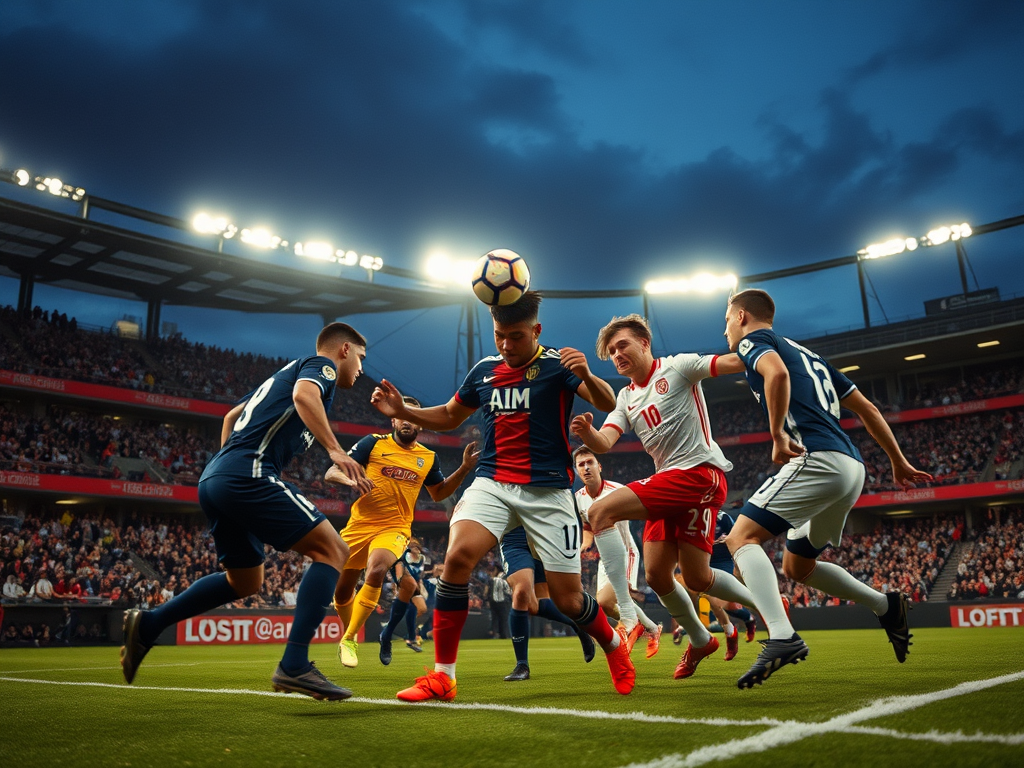
Another area for potential refinement lies in the use of width. The Galaxy possesses talented wingers capable of stretching defenses, yet they have often found themselves congested in central areas. Encouraging wingers to hug the touchline can open up space for midfielders and allow for more effective crossing opportunities, taking advantage of the aerial prowess of forwards. If R. Ramos can exploit the flanks more frequently, it will not only create scoring opportunities but also draw defenders out of position, consequently benefiting the central attacking players.
Defensive Cohesion and Transition Play
Defensively, the Galaxy must improve their coordination during transitions. Opponents have frequently capitalized on their counterattacks, exposing gaps as the Galaxy shifts from attack to defense. Introducing a more disciplined approach to defensive recovery is essential. This could involve the midfielders dropping deeper to form a compact line alongside the back four, ensuring that the team is better prepared to fend off quick breaks from their rivals. Additionally, the center-backs must communicate effectively to manage defensive shapes, especially when the fullbacks are committed forward.
Utilizing Substitutions Effectively
Substitutions can also play a significant role in tactical adjustments. The Galaxy has the depth to rotate players effectively, yet utilizing them strategically can enhance the team's performance in the latter stages of matches. Fresh legs in critical positions can maintain pressure on the opposition while also providing fresh energy to a tiring squad. The coaching staff should consider using substitutions to introduce additional pace on the wings or more physicality in midfield, depending on the match scenario.
Final Thoughts
As LA Galaxy continues their season, these tactical tweaks could be the difference between a strong playoff push and falling short of expectations. By refining their formation, emphasizing width, enhancing defensive cohesion, and utilizing substitutions more effectively, the Galaxy can transform their potential into tangible results on the pitch. With the right adjustments, the team can not only compete but thrive in the competitive landscape of MLS.