 Los Angeles Galaxy Hub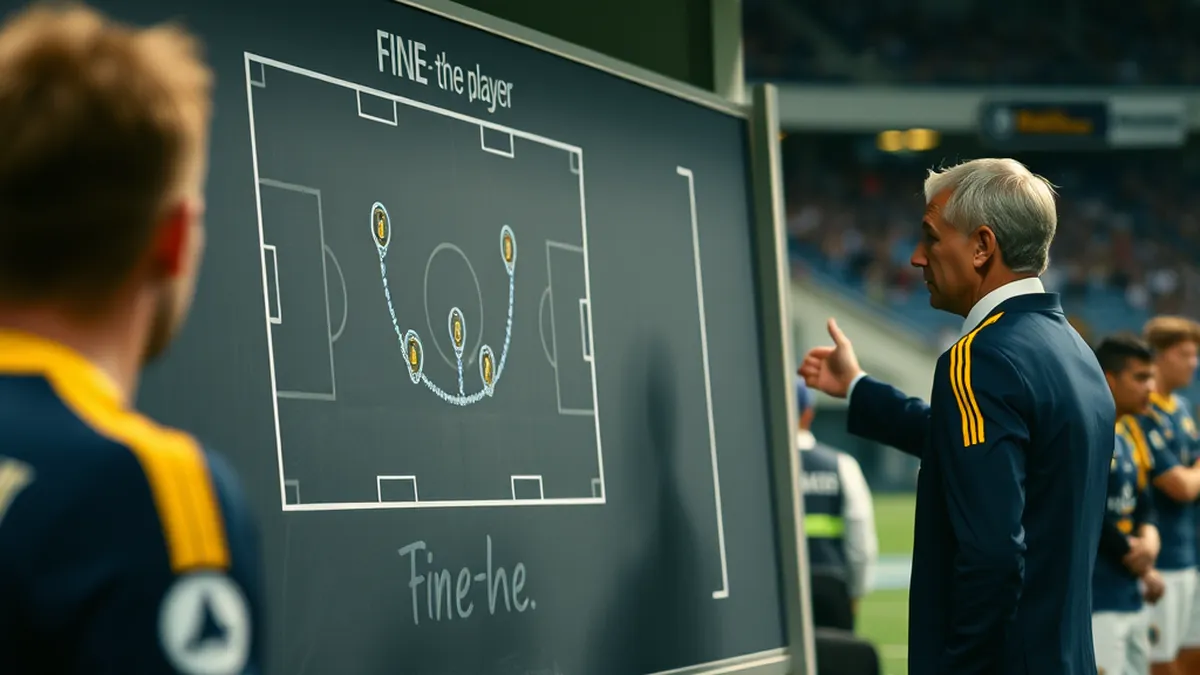
The LA Galaxy have recently faced a rollercoaster of results, showcasing flashes of brilliance alongside frustrating inconsistencies. As they strive for a more stable performance heading into the latter part of the season, a closer examination of their tactical setup reveals several areas ripe for adjustment.
One of the most evident issues has been the Galaxy's defensive organization. While the team has shown commitment in pressing high up the pitch, this has often left them vulnerable to counter-attacks, particularly against teams that excel in transitional play. For instance, in matches against fast opponents, such as their recent encounter with LAFC, the Galaxy's backline has been caught out of position too frequently. To mitigate this, a tweak in formation to a more compact 4-2-3-1 can provide additional stability. By employing two holding midfielders, the Galaxy can better shield their defense, allowing the full-backs to push forward without compromising defensive solidity.
Offensively, the Galaxy have struggled to convert possession into clear-cut chances. A significant factor in this has been the reliance on individual brilliance rather than cohesive team play. Encouraging more fluid movement and interchanging positions among the front four can create better opportunities and confuse opposing defenses. For instance, allowing R. Ramos to drift inside from the wing and join the central attacking unit can pull defenders out of position, creating space for overlapping runs from full-backs like L. Sanabria. This tactical shift not only enhances the team's attacking dynamics but also fosters a more unpredictable approach, making it harder for opponents to prepare.
Another area of focus should be the Galaxy's set-piece routines. With physical players like J. Marcinkowski and R. Ramos, the team has the potential to capitalize on dead-ball situations. Implementing more varied and rehearsed set-pieces can catch opposing teams off-guard and convert aerial strength into goals. For instance, using short corners to create mismatches in the box can draw defenders out of position and create openings for a powerful header or a well-timed shot from the edge of the area.
Finally, the Galaxy should consider enhancing their match management strategy. There have been instances where the team has failed to maintain intensity throughout the 90 minutes, leading to lapses in concentration and costly mistakes. Instituting a rotation policy that allows key players to rest during less critical matches could help maintain high energy levels. The depth of the squad should be leveraged to keep players fresh, ensuring that when the Galaxy are in a winning position, they can control the game effectively.
In conclusion, while the LA Galaxy have shown moments of brilliance, a few tactical tweaks can significantly improve their consistency. By solidifying their defensive structure, enhancing offensive fluidity, capitalizing on set-pieces, and managing player fatigue more effectively, the Galaxy can find a pathway to a successful conclusion of the season. As they look ahead, these adjustments could not only elevate their game but also strengthen their position in the tightly contested MLS landscape.